Your Powder Coating Conveyor Might Be Wasting Heavy
Many invest heavily in advanced coating equipment but overlook one crucial element—the powder coating conveyor. Over time, this system can quietly drain resources through inefficient motion, speed mismatches, or poor layout. The result? Excess powder consumption, higher energy bills, and unpredictable coating quality. Later we will uncovers how your conveyor system may be wasting more than you think—and how to check it.
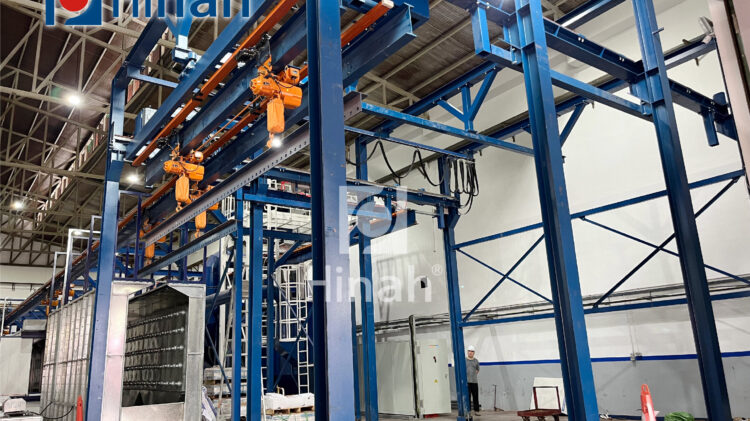
Hidden Ways of Powder Coating Conveyor Wasting Resources
Your powder coating conveyor might look like it’s doing its job perfectly — parts move, powder sprays, everything seems fine. But hidden beneath that rhythm are small inefficiencies that quietly drain your resources.
One common issue is speed mismatch. When the conveyor runs faster than the powder coating booth, powder overspray increases and coating quality drops. Too slow, and energy is wasted as parts spend more time in the curing oven or queue for coating.
Another silent waste comes from poor part spacing. Hanging parts too close causes uneven coating, while spacing them too far apart makes spray guns run on empty air — wasting powder and energy every single cycle.
Even mechanical wear and buildup on the conveyor chain can create vibration or jerky motion, leading to inconsistent film thickness. None of these problems look serious at first, but together they add up — slowly cutting into your profit and production efficiency.
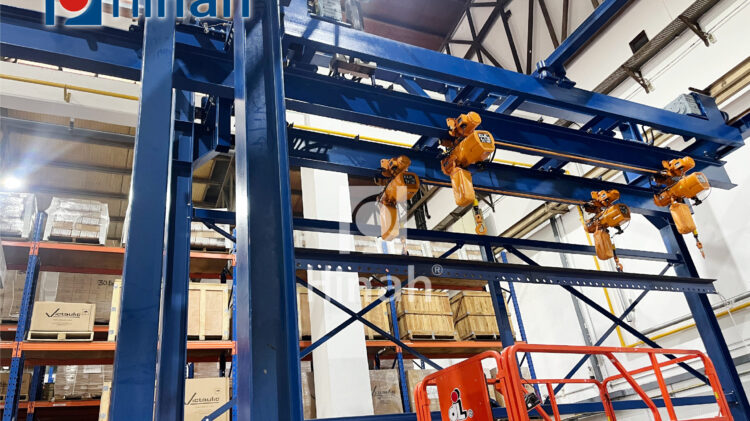
How Conveyor Design Affects Powder Coating Efficiency
The design of your powder coating conveyor is more than just a matter of layout — it defines how efficiently your entire coating line performs. A poorly designed conveyor doesn’t just slow things down; it can affect coating quality, powder recovery, and even the lifespan of your equipment.
For example, an overhead conveyor offers great flexibility for large or irregular parts, but if its turns are too sharp or its hanging system unbalanced, parts may sway, causing uneven coating. A floor-type conveyor, on the other hand, provides stable motion but can collect overspray and require frequent cleaning. The right choice depends on your production speed, booth design, and curing process.
Conveyor speed control and synchronization also play a major role. If your conveyor’s drive system can’t adjust smoothly to different line sections — pretreatment, spraying, and curing — the result is wasted powder and inconsistent coating thickness. Even slight speed variations can disrupt airflow patterns in the booth and lead to visible coating defects.
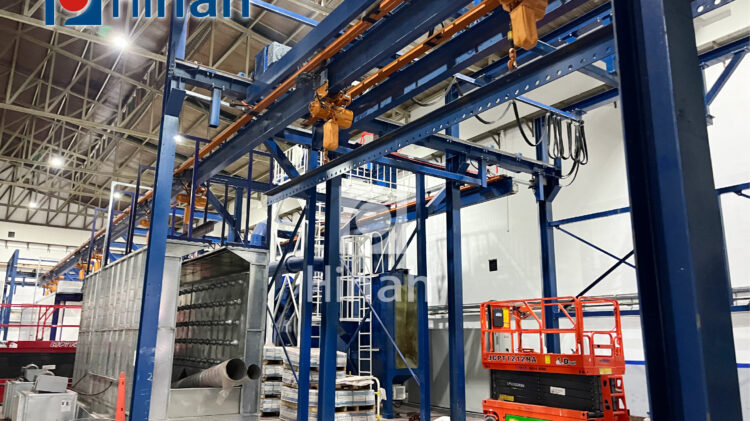
Diagnosing Problems in Your Powder Coating Conveyor
Before you consider a full system upgrade, take a closer look at your existing conveyor system — many problems can be solved long before they become expensive failures. The key is learning how to spot the warning signs early.
Start with visual and performance checks. Are your parts moving smoothly through each stage, or do they swing, stop, or vibrate at certain points? Even small hesitations in conveyor motion can lead to uneven coating or wasted powder. Watch for areas where powder tends to build up — especially around turns or hanging hooks — as this often signals airflow imbalance or improper spacing.
Next, review your energy and maintenance records. A conveyor that’s consuming more power or requiring frequent lubrication and chain replacement may be suffering from misalignment or excessive load. These issues not only waste energy but also shorten the life of your conveyor and drive components.
Finally, observe your production data. If coating quality fluctuates between shifts or batches, or if operators often adjust spray settings to “compensate,” the real problem may lie in inconsistent conveyor speed or tension. Regular monitoring of line speed, air pressure, and powder usage can reveal inefficiencies that would otherwise go unnoticed.
By taking the time to inspect and measure, you can transform your powder coating conveyor from a hidden source of waste into a driver of stability and performance — saving money today and preventing major breakdowns tomorrow.