Signs Your Powder Coating Line Needs Maintenance—Before It Fails
Every powder coating line has a story. It starts with smooth operations—steady conveyors, perfect curing temperatures, and flawless finishes. But over time, small changes begin to creep in: a faint rattle from the conveyor, uneven coating on a few parts, or a subtle drop in efficiency. These may seem harmless at first, yet they are often the first whispers of trouble ahead.
When maintenance is ignored, what was once a reliable powder coating line can quickly turn into a source of downtime, wasted powder, and production delays. The truth is, most equipment doesn’t fail overnight—it sends out warnings long before breaking down. Recognizing these early signs is the key to keeping your coating quality high and your operation running without interruption.
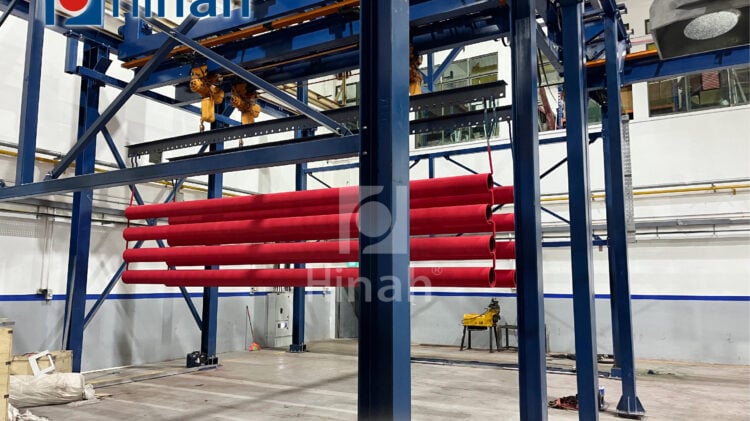
Sign #1: Inconsistent Coating Thickness in Your Powder Coating Line
One of the first signs that something isn’t right with your powder coating line is when coating thickness becomes inconsistent. You may start to notice that some parts come out too heavy, while others look thin and uneven. At first, it might seem like a simple operator issue—but more often, it’s a sign that your system is out of balance.
Uneven thickness can be caused by unstable electrostatic voltage, fluctuating air pressure, or a decrease in powder recovery efficiency. Over time, these small issues add up, affecting the final appearance, adhesion, and durability of your coating. When the finish loses its uniform look, so does your product’s quality.
The good news? This problem is preventable. Regularly inspect and clean your powder recovery filters, ensure that guns and nozzles are properly grounded, and verify that airflow and conveyor speed remain stable. A consistent coating thickness isn’t just about looks—it’s a reflection of how healthy your entire powder coating line really is.
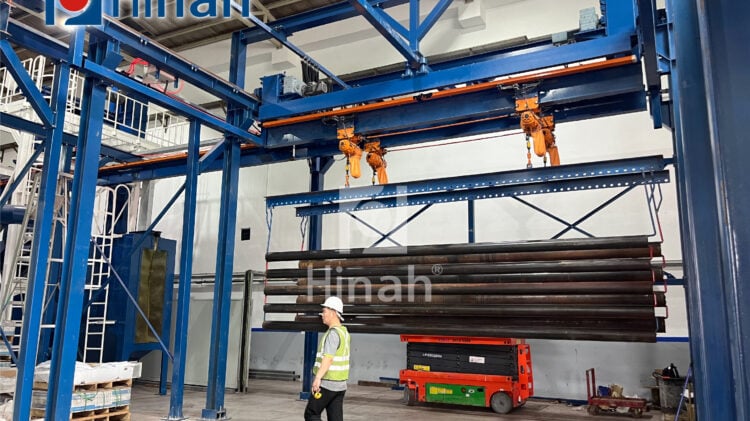
Sign #2: Temperature Fluctuations Inside the Powder Coating Oven
If your powder coating line could speak, the curing oven would be its heartbeat. When that heartbeat becomes irregular—when temperatures swing too high or too low—it’s a clear sign that your system needs attention.
Even small temperature variations can lead to big problems. Parts may come out under-cured, leaving a soft or easily scratched finish. Others may be over-cured, resulting in discoloration or brittleness. These inconsistencies not only ruin the aesthetic of your coating but also weaken its protective performance.
Temperature fluctuations often point to deeper issues: aging heating elements, worn-out thermocouples, or poor airflow circulation inside the oven. If your energy usage suddenly spikes or your curing times feel longer than usual, your oven might be working harder than it should.
To keep things steady, schedule regular calibration for your temperature sensors, inspect fan motors and ducting for dust buildup, and use a data logger to track the actual curing profile of your powder coating line. A stable oven temperature isn’t just about saving energy—it’s about ensuring every part that leaves your line meets your quality promise.
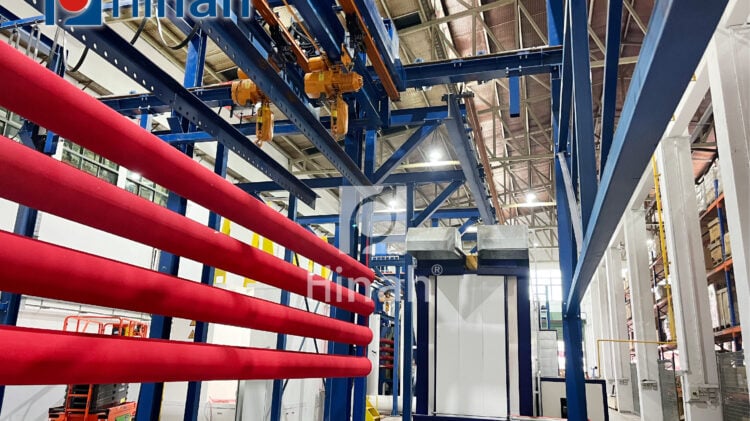
Sign #3: Conveyor Noise or Irregular Speed in Powder Coating Line
You can often hear a problem before you see it. A faint rattle, a grinding sound, or a sudden change in conveyor speed—these are the early cries for help from your powder coating line. While they might seem minor, they’re usually the first signs that your conveyor system is under stress.
When the conveyor doesn’t move smoothly, parts may sway, overlap, or fail to align properly during spraying and curing. This leads to uneven coating, wasted powder, and unpredictable quality issues that ripple through your entire production line. Over time, the stress on motors, sprockets, and bearings can escalate, eventually causing a complete breakdown.
The causes are often simple but dangerous if ignored: poor lubrication, worn-out chains, or overworked drive components. Regular inspection and preventive maintenance can stop these issues before they turn into costly downtime. Make it a routine to lubricate bearings and chains, check the motor load, and monitor the conveyor’s rhythm.
Think of your conveyor as the spine of your powder coating line—when it moves smoothly, everything else stays in harmony. When it struggles, the whole system feels the strain. Listening carefully today could save you days of production loss tomorrow.