The Role of Proper Grounding in a Stable Powder Coating System
In a powder coating system, every detail matters — from the quality of the powder to the precision of the spray gun. Yet, one crucial factor often hides in plain sight: grounding. Many finishers chase solutions for uneven coating or poor transfer efficiency without realizing the real problem lies beneath their feet — literally. Proper grounding is the invisible backbone of a stable powder coating system. It ensures that every charged particle of powder adheres evenly, minimizes waste, and keeps the entire operation safe and consistent. Without it, even the most advanced coating equipment cannot perform to its full potential.
What’s Grounding in a Powder Coating System
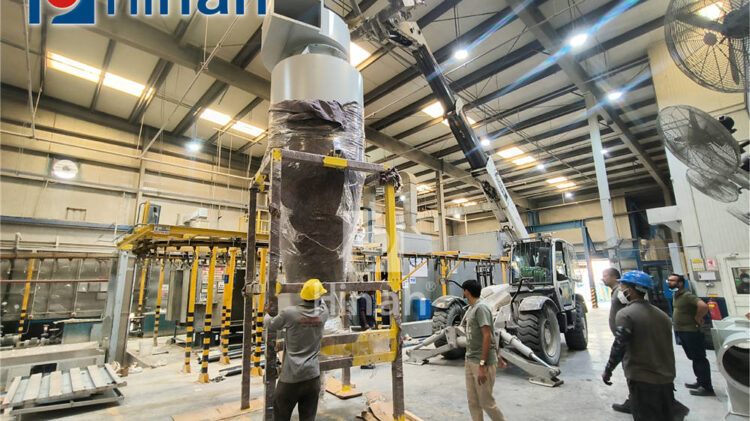
Grounding in a powder coating system is not just a safety requirement—it’s the foundation of how electrostatic coating works. During the coating process, powder particles are charged as they leave the spray gun and are attracted to the metal surface of the part being coated. For this attraction to happen effectively, the part itself must be properly grounded, allowing the electrical charge to flow freely.
When grounding is solid, the charged powder clings evenly to the surface, creating a uniform and durable finish. But when grounding is weak or interrupted, the powder behaves unpredictably—it may repel, scatter, or fail to cover certain areas entirely. This leads to wasted material, uneven coating thickness, and more rework.
In short, proper grounding ensures electrical balance throughout the powder coating system. It helps every charged particle find its target, keeps the process stable, and lays the groundwork for a high-quality finish that lasts.
Signs of Poor Grounding and Its Impact on Coating Quality
When grounding in a powder coating system is compromised, the effects are often visible long before they are diagnosed. The most common symptom is an inconsistent or patchy coating — some areas may appear too thick while others remain thin or even bare. This happens because the powder particles are not being properly attracted to the surface, resulting in poor transfer efficiency and uneven coverage.
Another clear sign of poor grounding is excessive powder waste. When the electrical charge cannot flow effectively, the powder tends to float in the air or fall to the booth floor instead of adhering to the part. Over time, this not only increases material consumption but also drives up cleaning and maintenance costs.
More seriously, poor grounding can pose electrical safety risks. A weak or broken ground connection may cause electrostatic discharge, which can damage sensitive components or, in extreme cases, ignite a spark inside the spray booth. It can also lead to frequent system shutdowns or irregular spray gun behavior, interrupting production and lowering efficiency.
In short, unstable grounding weakens the entire powder coating system. It turns what should be a controlled, repeatable process into one filled with variability, waste, and unnecessary risk.
How to Ensure Proper Grounding in Your Powder Coating System
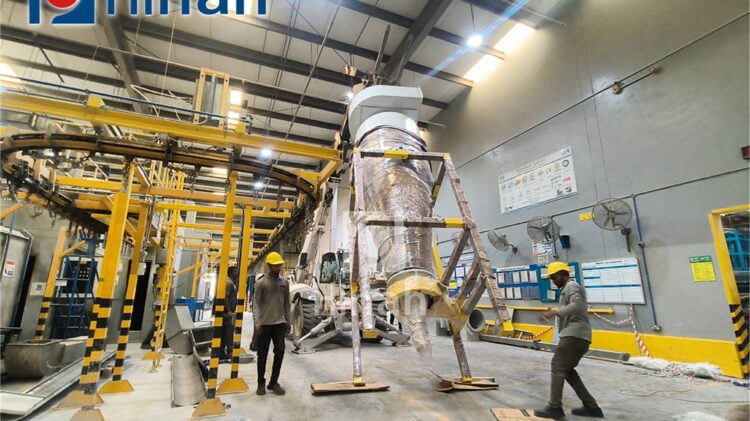
Maintaining proper grounding in a powder coating system is not difficult, but it requires consistency and attention to detail. The first and most important step is keeping all ground connections clean and free of buildup. Over time, powder overspray can accumulate on hooks, hangers, and conveyor contacts, reducing conductivity. Regularly cleaning these components ensures that the electrical path remains strong and reliable.
Another key practice is using high-quality conductive materials. Grounding rods made of copper or galvanized steel provide stable conductivity and resist corrosion. Conductive hangers or rotating hooks should also be inspected frequently for wear or paint buildup. Any worn parts should be replaced immediately to maintain system efficiency.
Testing resistance regularly is equally important. A good rule of thumb is that resistance between the part and ground should not exceed one megohm. Using a simple ohmmeter allows operators to verify that grounding remains within a safe and effective range.
Finally, make sure that every component of the powder coating system is properly bonded — from the spray guns and booth walls to the conveyor track and recovery unit. A single loose or poorly connected ground can disrupt the entire electrostatic balance.
By integrating these simple but critical steps into your maintenance routine, you not only ensure safety and coating quality but also extend the lifespan of your entire powder coating system.