The Hidden Airflow Problems Inside the Powder Coating Machine
Airflow is one of those things most operators rarely think about—until a coating problem suddenly appears. You may adjust the gun, tweak the voltage, or even change the powder, yet the finish still isn’t right. In many cases, the real issue sits quietly inside the powder coating machine: an airflow imbalance that you can’t see but can definitely feel in the final result.
From inconsistent powder cloud density to unexpected waste and rework, hidden airflow problems often shape the entire coating outcome. Understanding how air actually moves through the system is the first step toward restoring stability, improving finish quality, and keeping production running smoothly.
What’s the Airflow Path Inside a Powder Coating Machine
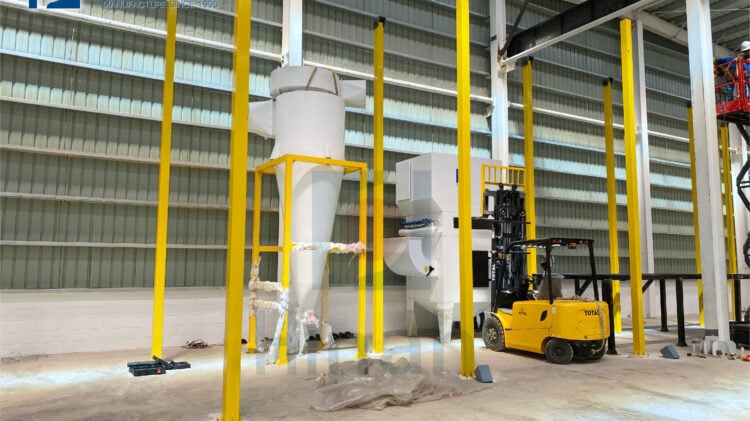
To truly address coating issues, you need to understand how air moves through a powder coating machine. Air is not just a tool—it’s the invisible conveyor that carries powder from the pump to the workpiece. Any disruption along this path can lead to uneven coverage or wasted material.
The airflow journey begins at the compressor, which generates the pressurized air needed for the entire system. This air then passes through preparation units that remove moisture and contaminants, ensuring consistent pressure and quality. From there, it flows into the powder pump and hoses, eventually reaching the spray gun, where it atomizes the powder and propels it onto the surface.
Each stage has a specific role: conveying air moves the powder through hoses, fluidizing air keeps it loose and flowing in the hopper, and atomizing air shapes the spray pattern. Even small deviations—like a slightly clogged hose or minor pressure drop—can change powder velocity, alter pattern uniformity, and reduce transfer efficiency. Understanding this path is essential for diagnosing problems and optimizing your powder coating machine for consistent, high-quality finishes.
How Poor Airflow Disrupts the Powder Coating Equipment Performance
Even a slight imbalance in airflow can have an outsized impact on your powder coating equipment’s performance. When air is inconsistent—too strong in one area, too weak in another—it directly affects how powder particles travel and adhere to the surface, resulting in uneven coating thickness, overspray, or weak adhesion that often leads to rework and wasted material. Common symptoms include thin edges on corners, heavy buildup in flat areas, or an irregular “orange peel” texture, which are frequently blamed on powder quality or spray technique, though the root cause often lies in airflow instability. Poor airflow also reduces transfer efficiency: if the powder cloud isn’t uniform or the particles aren’t properly charged, more powder ends up in the booth or on the floor instead of on the part. Over time, this not only increases material costs but can slow production and frustrate operators who feel they are doing everything correctly. By recognizing how poor airflow manifests in your powder coating machine, you can identify issues faster, minimize waste, and ensure a smoother, more consistent finish.
Hidden Airflow Restrictions Inside the Powder Coating Machine
Many airflow problems in a powder coating machine are caused by restrictions that aren’t immediately visible. Clogged injectors, bent or worn hoses, and contaminated filters can silently reduce airflow, affecting powder delivery without any obvious warning. Moisture in the air lines or small leaks at fittings and seals can also create pressure drops that destabilize powder flow, leading to uneven coverage and inconsistent finishes. Even minor restrictions can amplify over time, causing operators to constantly adjust settings or blame the powder or gun. By regularly inspecting and maintaining key components—cleaning injectors, replacing worn hoses, checking filters, and ensuring airtight connections—you can restore proper airflow, improve transfer efficiency, and reduce waste. Early detection of these hidden restrictions not only keeps the powder coating machine running smoothly but also extends its lifespan and ensures more predictable, high-quality results.
Conclusion
Airflow may be invisible, but its impact on a powder coating machine is anything but. From uneven finishes to wasted powder and frustrated operators, most common coating problems can be traced back to airflow issues that quietly develop over time. Understanding the airflow path, recognizing the signs of poor airflow, and identifying hidden restrictions are essential steps for any operator or maintenance team. Regular checks, proper cleaning, and timely component replacements not only restore consistent performance but also extend the life of the powder coating machine. By paying attention to this often-overlooked factor, you can improve coating quality, reduce waste, and keep your production line running smoothly and efficiently.