Why Finish Quality Depends on the Design of Powder Coating Booths
Excellent finish quality starts before the powder even hits the part. Many focus only on the spray gun or the powder chemistry, but they often overlook the most critical factor: the environment.
A poorly designed booth creates turbulence, traps old dust, and leads to expensive rework. If your production line suffers from “orange peel” effects or uneven thickness, the problem usually lies in your equipment layout. Choosing precision-engineered powder coating booths is not just about containment. It is about controlling airflow and eliminating contamination. Let’s explore how specific design choices directly impact your final product quality and your powder coating line.
Airflow Management in Powder Coating Booths: Balancing Velocity and Containment
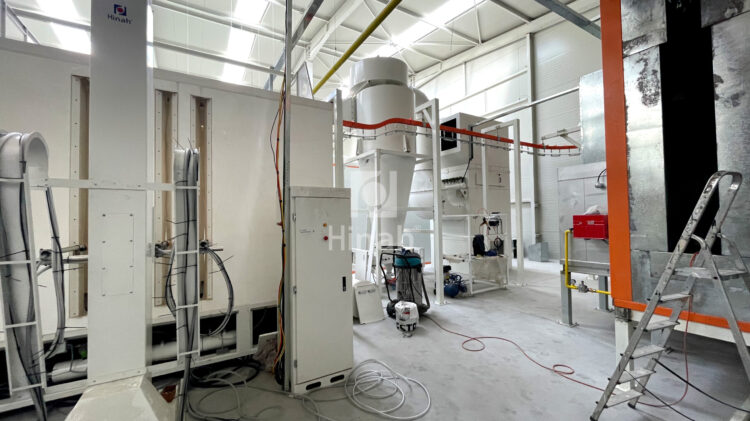
Airflow is the most important factor in a powder booth. If the air moves too fast, it blows the powder off the part. If it moves too slow, powder drifts out of the booth and creates a mess.
High-quality powder coating booths use laminar airflow. This means the air moves in a smooth, straight path. Turbulent air, or “swirling” air, is your enemy. It causes the powder to clump together before it reaches the metal surface. This results in an uneven finish and wasted material.
Engineers design the best powder coating booth to eliminate “dead zones.” These are corners where air stops moving and powder builds up. By maintaining a constant face velocity, you ensure that every micron of powder travels exactly where it should. This precision reduces your reject rate and saves you money on every shift.
Advanced Material Selection for High-Performance Powder Coating Booths
The material of your booth walls changes how powder behaves. Most basic booths use standard steel, but steel is conductive. This causes powder to stick to the walls instead of the parts.
Modern industrial powder coating booths often use advanced composites or anti-static plastics. These materials carry a neutral charge. Because the walls do not attract the powder, the particles stay in the air and move toward your workpiece. This improves your “first-pass transfer efficiency,” which means you use less powder to get a better coat.
Smooth internal geometry is also vital. High-performance powder coating booths avoid bolts, sharp corners, and seams. These small gaps trap old powder and cause cross-contamination when you change colors. A seamless wall design allows for a perfect clean-down in minutes. This ensures that a white finish stays pure, even if you sprayed black powder an hour before.
The Role of Integrated Recovery Systems in Modern Powder Coating Booths
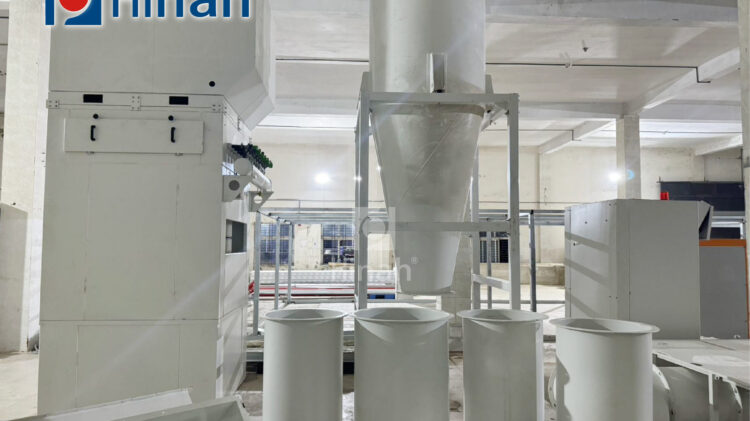
A recovery system does more than just save powder. It stabilizes the environment inside the booth. Without a balanced recovery system, air pressure fluctuates. These changes in pressure cause the spray pattern to pulse, leading to thick and thin spots on your finished product.
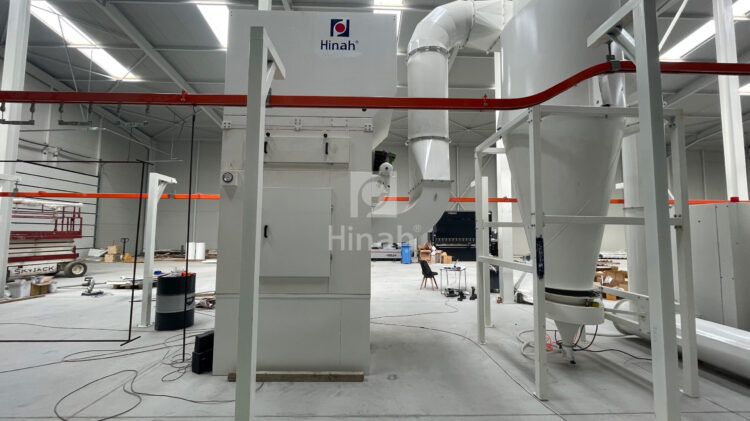
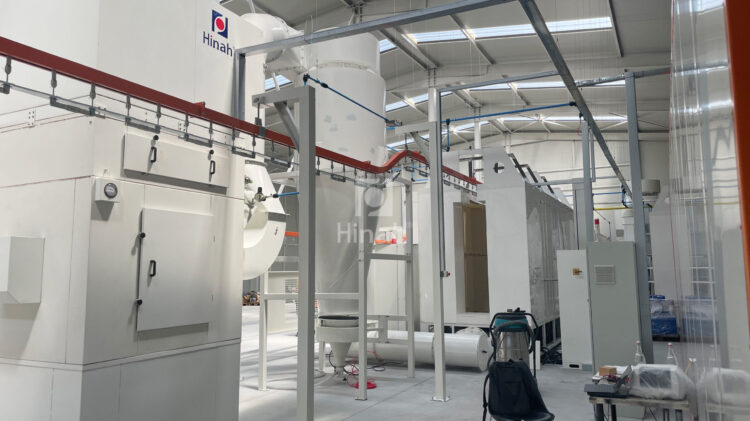
High-efficiency powder coating spray booths use cyclones or multi-filter modules to manage overspray. A well-designed cyclone separates useable powder from fine dust with extreme precision. If the design is poor, you end up mixing “fines” back into your hopper. These tiny, broken particles ruin the texture of the finish and cause a loss of gloss.
Consistent filtration is the final piece of the puzzle. Premium powder coating booths maintain constant static pressure through HEPA filters. This ensures that the air quality remains “clean-room grade.” By removing microscopic contaminants, you prevent tiny bumps and seeds from appearing on the surface. This level of control allows you to deliver a mirror-like finish every single time.
Conclusion
Your choice of equipment defines your product quality. A booth is not just a box to catch dust; it is a critical tool that controls physics. By choosing powder coating booths with superior airflow, anti-static materials, and stable recovery systems, you eliminate the root causes of coating defects. Precision engineering reduces waste, prevents rework, and protects your reputation. If you want to achieve a perfect finish, start by optimizing the space where the magic happens.