Safe Operation of Powder Coating Conveyor Chain: A Practical Guide
In a powder coating line, the powder coating conveyor chain plays a critical role in keeping production running smoothly and efficiently. As parts move through the various stages—cleaning, coating, and curing—the reliability of the powder coating conveyor chain directly affects both product quality and output. However, despite its importance, this component is often overlooked in daily operations. Without proper attention, issues like chain wear, hanger failure, or powder buildup can lead to costly downtime and defective finishes. This guide explores practical steps operators can take to ensure the safe and efficient operation of powder coating conveyor chains, helping protect both equipment and end results.
Choosing High-Quality Powder Coating Conveyor Chain
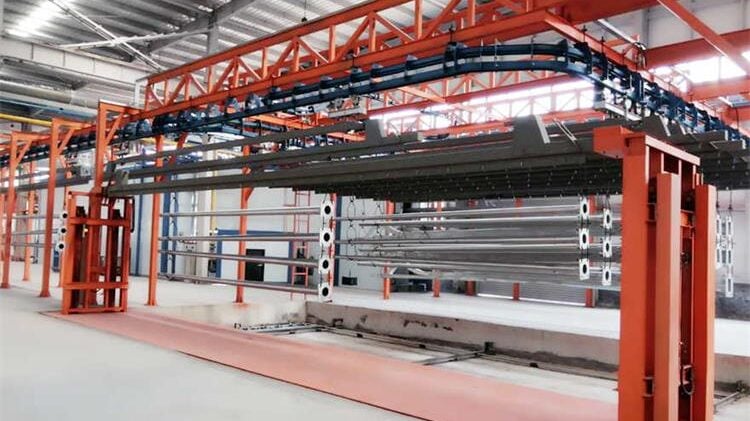
The foundation of a stable and efficient powder coating line lies in the quality of its conveyor chains and hangers. These components bear the full weight of the workpieces and endure constant motion, high temperatures, and exposure to powder particles. Using low-grade chains or poorly made hangers can quickly lead to wear, deformation, or even breakage, all of which compromise the entire system.
Investing in high-quality powder coating conveyor chain—made from durable, corrosion-resistant materials—not only extends the service life of the equipment but also helps maintain consistent production output. Likewise, strong, well-designed hangers ensure secure part handling during the coating and curing process, reducing the risk of defects or rework. In the long run, quality components support higher productivity, reduce maintenance costs, and enhance the overall reliability of your coating operation.
Using Conveyor Chains with Protective Mechanisms
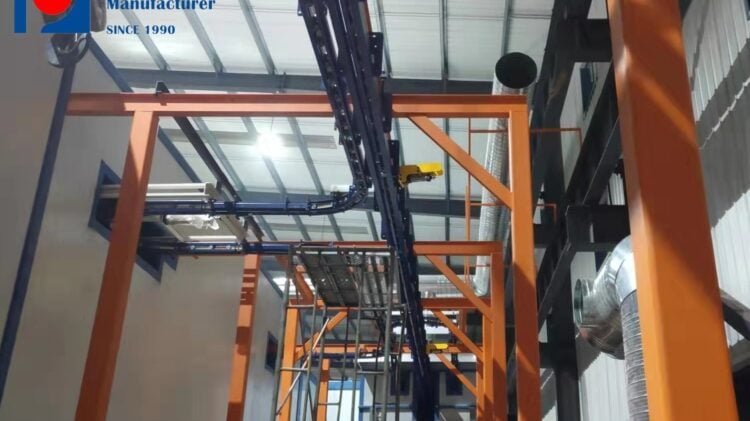
Even the most durable powder coating conveyor chains are subject to wear and occasional damage during long-term use. That’s why incorporating protective mechanisms into your conveyor system is essential for maintaining safety and reducing unexpected downtime.
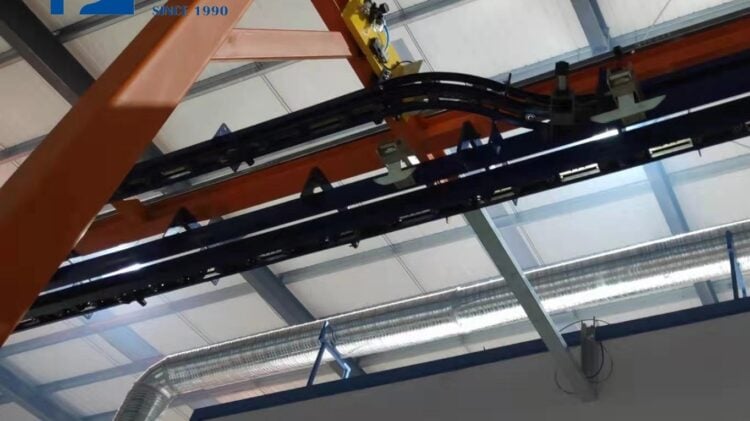
Modern powder coating lines often utilize overhead conveyor chains equipped with safety features such as overload protection, chain tensioners, and wear-resistant covers. These devices are designed to detect early signs of stress, misalignment, or blockage—conditions that could otherwise result in chain failure or equipment damage. When an issue arises, these protective systems either absorb the shock or trigger a shutdown to prevent further harm.
By using conveyor chains with built-in protective mechanisms, you not only extend the service life of your equipment but also ensure the continuity of your production. This level of preventative care is especially critical in high-throughput environments, where even a brief stoppage can lead to significant delays and losses.
Preventing Powder Buildup on Conveyor Hooks
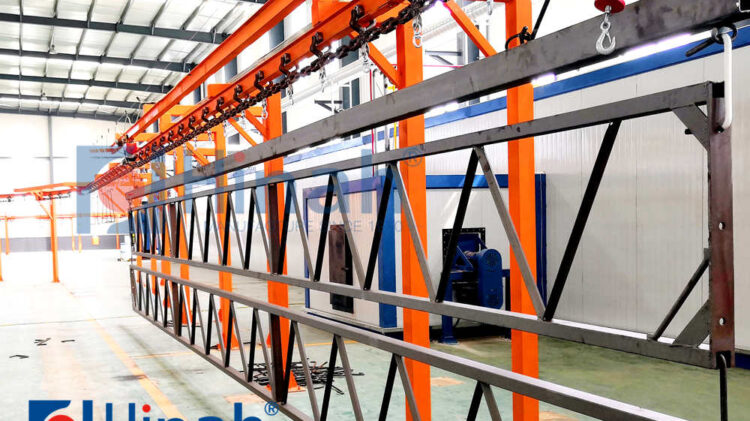
While much attention is given to coating thickness and curing temperatures, one commonly overlooked issue in powder coating conveyor chain systems is powder buildup on the hooks. These hooks, which hold the parts throughout the coating process, are repeatedly exposed to overspray. Over time, excess powder accumulates—especially on the areas where grounding and part stability are critical.
If the hooks are not cleaned properly before entering the high-temperature curing oven, the leftover powder can harden and permanently bond to the hook. This leads to several problems: poor grounding, uneven coating, and contamination of newly coated parts. In severe cases, it can even alter the geometry of the hooks, making them unsafe or unusable.
To avoid these issues, it’s essential to implement a regular cleaning process. This may involve using air blow-off systems, manual brushing, or even automated hook-cleaning stations. Keeping the hooks clean ensures better coating quality, reduces product rework, and helps maintain the performance of your powder coating conveyor chain system.
Conclusion
Operating a powder coating line efficiently and safely requires more than just quality powder and skilled labor—it demands careful attention to the components that keep the system moving, especially the powder coating conveyor chain. From selecting durable chains and hangers to implementing protective devices and regular cleaning routines, each step contributes to smoother production and fewer disruptions.
By following the practical tips outlined in this guide, operators can reduce equipment wear, avoid common coating defects, and extend the lifespan of their conveyor systems. In the end, prioritizing conveyor chain safety is not just about maintaining equipment—it’s about ensuring consistent quality, protecting your bottom line, and building a more reliable powder coating operation.