Turnkey Solution: Automated Powder Coating Line for Electrical Cabinets in South America
Electrical control cabinets are one of the common workpieces in industrial coating projects. They often have large flat panels, doors, corners, and different surface areas that need consistent coverage. For a recent South American project, our team provided an automated powder coating line designed around the customer’s cabinet production requirements.
The goal was simple: create a steady coating process while keeping the line practical for daily production. Instead of treating each cabinet as a separate job, the system allows the workpieces to move through a continuous process from surface preparation to final curing.
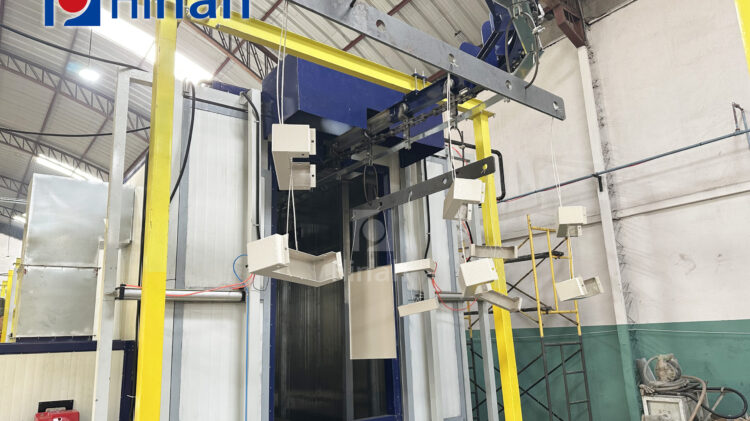
A Coating Process Built Around Electrical Cabinets
Before powder application, proper surface preparation is important. Oil, dirt, and other contaminants can affect coating adhesion, so the cabinets first pass through the pretreatment section.
After drying, the cabinets enter the powder spraying area. Automatic spray guns apply powder to the main surfaces as the workpieces move through the booth. This helps reduce the differences that can occur when operators spray large panels by hand.
Powder coating also fits well with many industrial metal products. The U.S. EPA notes that powder coating produces minimal VOC emissions during application because the coating is applied as dry particles rather than a liquid solvent-based spray.
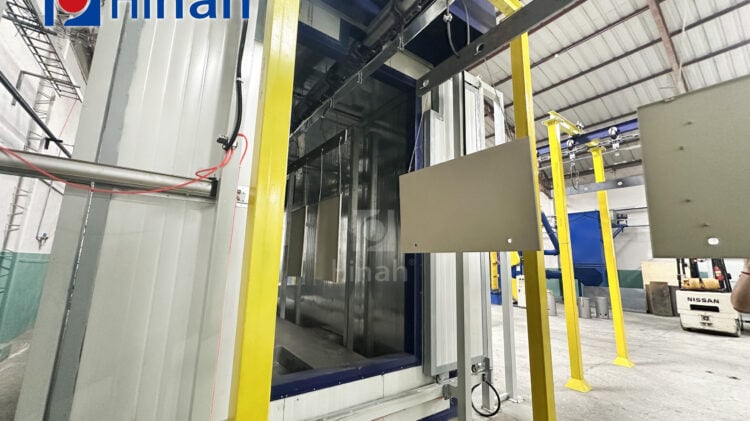
Automated Powder Coating Line for Consistent Production
For electrical cabinets, consistency matters because the panels are often large and visually exposed. The conveyor keeps the workpieces moving at a controlled pace, while the spraying system works within a defined coating area.
The process is followed by a curing oven. Heat allows the powder to melt and form a continuous coating film on the metal surface. The exact curing conditions depend on the powder selected for the project, so the oven setup should match the coating supplier’s requirements.
Safety is also part of the line design. OSHA’s requirements for powder coating operations address ventilation, grounding, powder removal, and housekeeping. The standard also requires suitable measures to control powder accumulation and maintain safe spraying conditions.
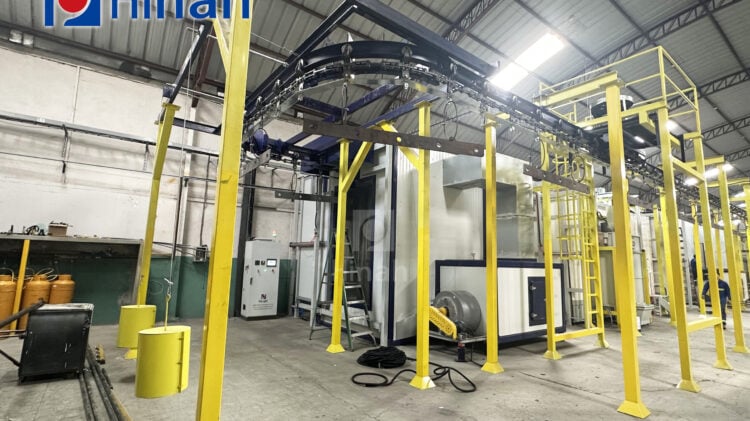
A South American Project Designed for Practical Production
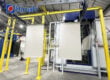
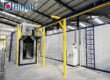
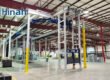
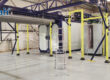
For this project, the line was arranged around the customer’s electrical cabinet sizes, production flow, and available workshop space. The complete system connects the main stages into one working process, so operators can load the cabinets, monitor the line, and unload the finished parts with a clear workflow.
This type of project also shows why coating lines cannot always follow one fixed layout. Cabinet dimensions, production volume, available space, coating requirements, and the customer’s working method can all affect the final arrangement.
For overseas customers, the value of a turnkey solution is not simply the equipment itself. It is the ability to bring the different sections together into a workable production line.
This South American project is one example of our experience with electrical control cabinet coating. By combining pretreatment, automatic spraying, conveying, and curing into one automated powder coating line, the project provides a practical solution for consistent cabinet finishing.
When customers search for a supplier with real powder coating line experience in South America, project examples like this can provide a more useful reference than a general product introduction.