
The Truth of Coating Time Intervals in Powder Coating Line
When we talk about a powder coating line, most people think about smooth finishes, bright colors, and durability. But behind every perfect surface is something less obvious—time. The intervals between coating and curing are not just about waiting around; they can make or break the final quality of the coating.
Anyone who has worked with powder coating equipment knows that conditions are never the same. A hot summer day can speed up drying, while cold winter air seems to slow everything down. Add in factors like humidity, the type of coating material, or even how the surface was prepared, and suddenly the “right” interval doesn’t feel so simple anymore.
That’s why understanding coating time intervals is more than just following a rulebook. It’s about knowing how different conditions interact with the coating process and making the right judgment on the spot. We’ll explore what really influences coating intervals and how to find the balance that keeps a powder coating line running at its best.
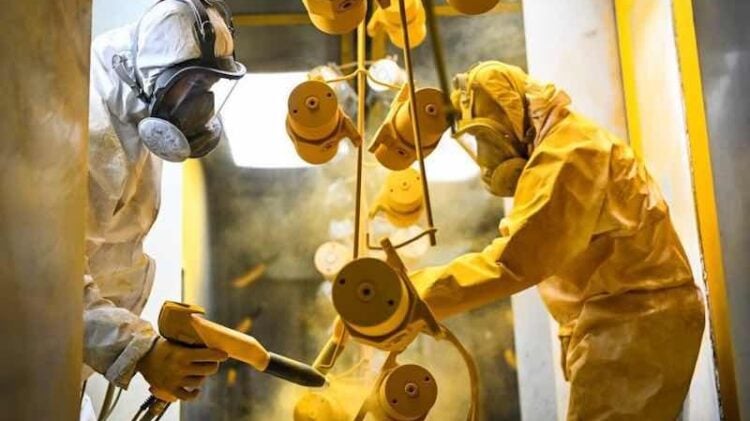
Key Factors Affecting Coating Time Intervals
The interval between coating and curing is never fixed—it’s shaped by a mix of technical and environmental factors. If these are not considered, even the most advanced powder coating line can deliver inconsistent results.
- Type and performance of the coating
Not all coatings behave the same way. For example, solvent-based coatings like acrylics or chlorinated rubber may allow shorter intervals, while powder coatings generally require careful timing to ensure the film cures properly. Each material has its own rhythm, and pushing against it often leads to weaker adhesion or surface defects.
- Humidity and temperature
Coating doesn’t happen in a vacuum. High humidity slows down evaporation and curing, while low humidity might speed it up but increase the risk of surface issues like pinholes. Similarly, temperature plays a major role: in summer, drying times shorten, but in winter, the same process can drag on much longer.
- Seasonal changes and on-site realities
Operators know that real-world conditions don’t always match the textbook. What works in July might not work in January. Recognizing how the season impacts drying and adjusting the spraying intervals accordingly is one of the most practical skills in running a stable powder coating line.
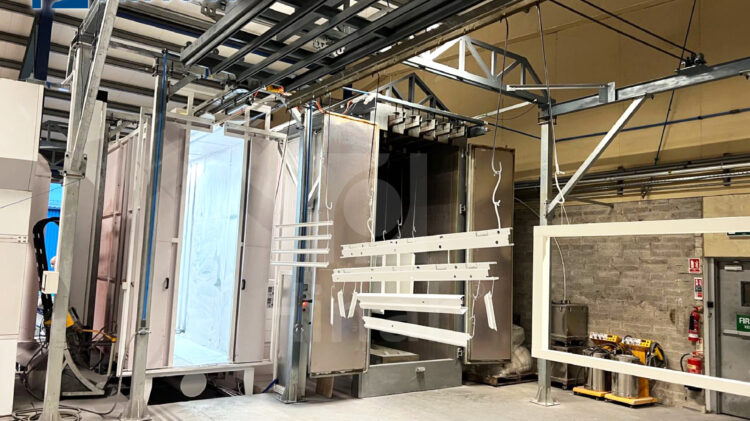
Best Practices for Managing Coating Intervals
Even though every coating job comes with its own variables, there are some reliable practices that help operators keep coating intervals under control and avoid costly mistakes.
- Wait for the film to fully cure before use
One of the most common errors is rushing production. A coating may look dry on the surface, but that doesn’t mean it’s ready for handling. If parts are moved into production too soon, the film can lose strength, peel, or develop surface defects later. Giving the coating time to reach a full cure ensures the best balance of hardness and durability.
- Know when short intervals are possible
In some cases, coating intervals don’t need to be long. For instance, single-component coatings such as acrylics or chlorinated rubber allow for shorter times between coats because their curing relies more on solvent evaporation. With these materials, efficiency can be improved without sacrificing quality—as long as the coating manufacturer’s guidelines are followed.
- Adjust for surface preparation
If the workpiece surface has been sanded or otherwise prepared, it often benefits from a longer interval. The roughened surface may hold the coating differently, requiring more time for proper adhesion. This is where site-specific judgment comes in—experienced operators will know when a few extra minutes can make all the difference.
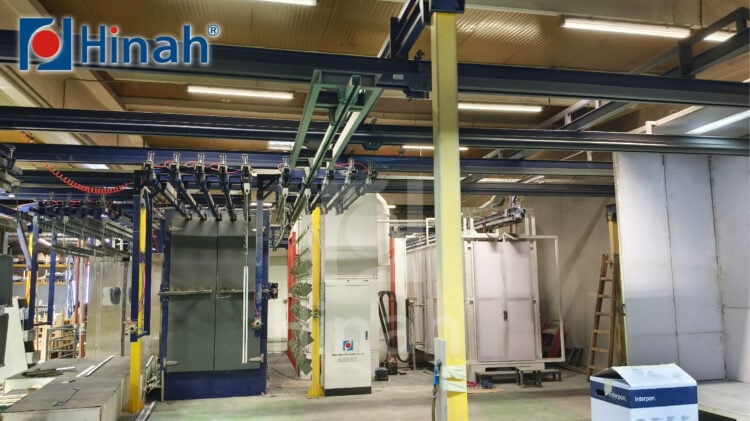
Finding the Optimal Interval for a Powder Coating Line
There is no single formula that defines the perfect coating interval in a powder coating line. The reality is far more dynamic, depending on the coating material, the environmental conditions, and even the type of surface being treated. The “ideal” interval is simply the one that allows the coating film to reach its full performance without slowing production down unnecessarily. If the interval is too short, the coating may suffer from poor adhesion or reduced durability. If it is too long, efficiency is compromised and the line becomes less productive.
Knowing when a film is ready for the next stage is part science and part experience. A proper interval gives the coating enough time to cure so that it resists light pressure, shows no tackiness, and maintains a consistent finish. While manufacturer guidelines offer a valuable reference point, skilled operators often develop an instinct for recognizing the right moment. They learn to read the film, rather than relying on the clock alone.
What truly matters is flexibility. A powder coating line operates in an environment that is always changing—humidity, temperature, and even the workpiece itself can alter drying behavior. That is why finding the optimal interval is less about following rigid rules and more about adjusting in real time. The best results come from balancing efficiency with quality, making thoughtful choices that respect both the production schedule and the performance requirements of the finished product.
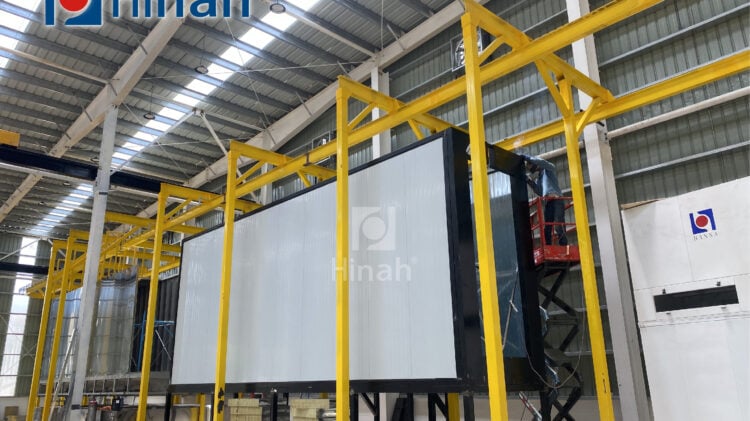
Conclusion
Coating intervals may seem like small details in the operation of a powder coating line, but they hold the key to both quality and efficiency. Rushing the process risks weak adhesion and premature wear, while excessive waiting slows production and wastes resources. The best approach is to understand how factors like coating type, environment, and surface preparation interact, and then make careful adjustments on the spot. When coating intervals are managed with this balance in mind, the result is not only a smoother workflow but also a more durable and reliable finish—proof that timing truly shapes the success of every powder coating line.