Skip to content
FacebookLinkedinTwitterGoogle+Instagram
Hanna Technology
Hanna Technology
Powder Coating Line | Paint Spraying Equipment

Provide the best powder coating system solution

WhatsApp:+86 186 3213 8668sales@powderspraymachine.com
keywords
  • Home
  • About Us
    • About Us
    • Factory Show
    • EXPO
    • Cooperation Customers
  • Products
    • Powder Coating Line
      • Automatic Powder Coating Equipment
      • Manual Powder Coating Line
      • Power And Free Powder Coating Line
    • Powder Coating (Painting) Robot
      • Drag Teaching Programming Robot
      • Visual Automatic Programming Robot
    • Pretreatment System
      • Online Spray Pretreatment
      • Dip Tank Pretreatment
    • Powder Coating Booth
      • Fast Color Change Booth
      • Filter Recovery Powder Coating Booth
    • Powder Coating Oven
      • Camel Back Curing Oven
      • Tunnel Powder Coating Oven
      • Batch Powder Curing Oven
    • Conveyor Chain
      • Automatic Conveyor
      • Power And Free Conveyor
      • Manual Conveyor System
    • Electrocoating Line
    • Electrical Control System
    • Manual Powder Coating Machine
    • Liquid Painting Line
    • Powder Dip Coating Line
    • Powder Coating Powder
    • Powder Coating Machine Parts
  • Application
  • Service and After Sales
    • Service and After Sales
    • Quality Assurance And Service Content
    • Complaints and Feedback
  • Video
  • News
  • Contact
Hanna Technology
  • Home
  • About Us
    • About Us
    • Factory Show
    • EXPO
    • Cooperation Customers
  • Products
    • Powder Coating Line
      • Automatic Powder Coating Equipment
      • Manual Powder Coating Line
      • Power And Free Powder Coating Line
    • Powder Coating (Painting) Robot
      • Drag Teaching Programming Robot
      • Visual Automatic Programming Robot
    • Pretreatment System
      • Online Spray Pretreatment
      • Dip Tank Pretreatment
    • Powder Coating Booth
      • Fast Color Change Booth
      • Filter Recovery Powder Coating Booth
    • Powder Coating Oven
      • Camel Back Curing Oven
      • Tunnel Powder Coating Oven
      • Batch Powder Curing Oven
    • Conveyor Chain
      • Automatic Conveyor
      • Power And Free Conveyor
      • Manual Conveyor System
    • Electrocoating Line
    • Electrical Control System
    • Manual Powder Coating Machine
    • Liquid Painting Line
    • Powder Dip Coating Line
    • Powder Coating Powder
    • Powder Coating Machine Parts
  • Application
  • Service and After Sales
    • Service and After Sales
    • Quality Assurance And Service Content
    • Complaints and Feedback
  • Video
  • News
  • Contact

How Does Conveyor Speed Affect the Curing Quality in Automated Powder Coating?

In any factory, the temptation to “crank up the speed” is always there. It feels like the fastest way to hit your daily production goals. But in a professional automated powder coating setup, the conveyor speed isn’t just a dial you turn for higher output. It actually controls the most important part of the whole process: how much heat your parts soak up.

Think of the curing oven as a ticking clock. Every powder has a specific “time at temperature” window to finish its chemical reaction. If the line moves too fast, the metal stays cold, and the powder never truly bonds. You get a finish that looks okay but fails a simple scratch test. On the other hand, dragging the line too slowly just burns electricity and risks ruining the color. Finding that sweet spot between speed and heat is what separates a high-quality finish from a costly rework.
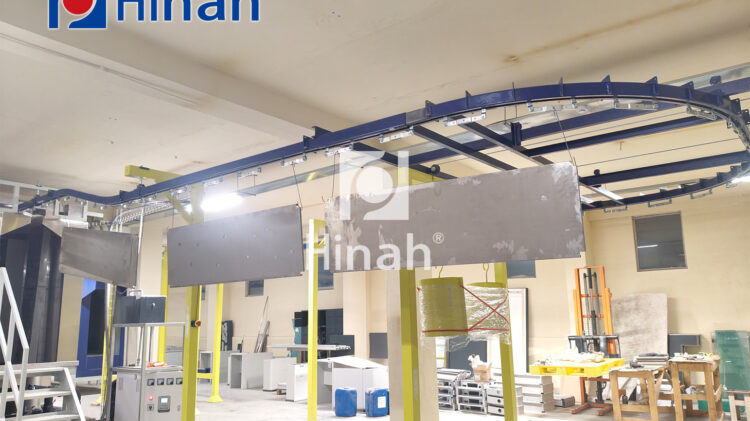
automated powder coating_1 (1)

The Physics of Curing in an Automated Powder Coating Environment

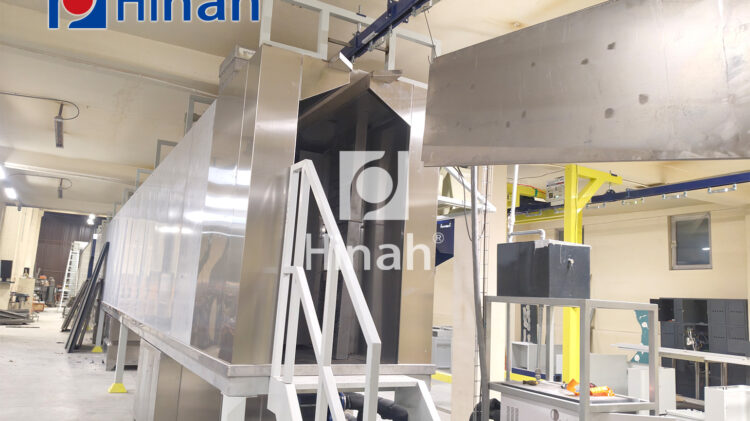
Curing powder isn’t just about melting plastic; it is a timed chemical reaction. Every powder manufacturer gives you a “Curing Window.” This is usually a specific temperature—like 180°C—that the metal surface must hit and hold for a set number of minutes. In an automated powder coating line, your conveyor speed is the only thing that decides if the part stays in that window or misses it entirely.

The tricky part is that the oven air temperature and the actual part temperature are two different things. When a cold metal part enters the heat, it doesn’t get hot instantly. It needs “dwell time” to soak up the energy. This is where “thermal mass” comes into play. If you are coating thin aluminum sheets, they heat up fast, so you can run the line quicker. But if you switch to heavy steel frames, that same speed becomes a problem. The steel acts like a heat sink, staying cold for the first several minutes of the trip. If the conveyor moves too fast, the part exits the oven before it ever hits the target temperature, leaving the chemical reaction unfinished.
automated powder coating_1 (2)

Direct Impact of Excessive Speed on Coating Integrity

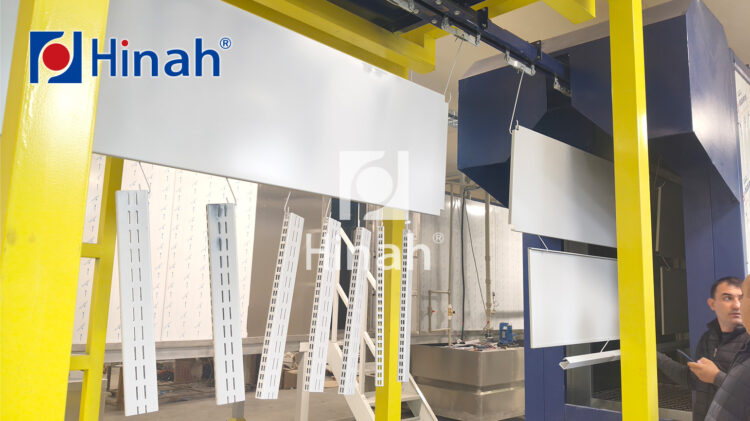
If you push the conveyor speed too hard, you’ll see the consequences immediately at the unloading station. The most common issue is “under-curing.” This happens because the powder didn’t have enough time to flow out and polymerize. You’ll notice the finish looks like the skin of an orange—we call this “orange peel.” It’s a clear sign that the powder melted but didn’t have the time to smooth itself out into a flat, professional film.

The problems aren’t just cosmetic; they go bone-deep. When an automated powder coating line runs too fast, the powder never develops its full strength. The coating will be brittle. If you hit the part with a tool or try to bend it, the finish will flake off like a dry biscuit instead of sticking to the metal. More importantly, the chemical resistance disappears. If those parts end up outdoors or in a salty environment, they will rust in weeks rather than years. Essentially, by trying to save a few seconds on the line, you end up with a product that fails its most basic job: protection.
automated powder coating_1 (3)

Indirect Consequences of Insufficient Speed (Over-curing)

Running your automated powder coating line too slowly is just as risky as running it too fast. When parts spend too much time in the heat, the powder starts to over-cure. The most obvious sign is a color shift. White finishes will turn a sickly yellow, and clear coats will lose their transparency and look scorched. If your customer expects a specific brand color, over-curing will lead to an immediate rejection.

Beyond the look, the physical structure of the coating changes for the worse. Instead of a tough, flexible shield, the finish becomes dry and “glassy.” It loses its ability to expand and contract with the metal, which leads to cracking over time. Then there is the waste of money. Every extra minute the conveyor spends dragging a part through the oven is wasted gas or electricity. In a high-volume factory, these few cents per part add up to thousands of dollars in lost profit every month. You aren’t just over-cooking the paint; you are burning your bottom line.

Share this page
Share with PinterestShare with LinkedInShare with FacebookShare with Twitter

Post navigation

PreviousPrevious post:Why is Constant Current Control Essential for Electrostatic Powder Coating?NextNext post:How to Choose the Right Curing Oven for My Powder Coating Line?

From the Same Category

How to Evaluate Powder Recovery System for Your Powder Coating Line?
2026年6月5日
Can Optimized Powder Coating Line Layout Reduce Oven Heat Loss by 40%?
2026年5月15日
Why is Constant Current Control Essential for Electrostatic Powder Coating?
2026年5月9日
How to Choose the Right Curing Oven for My Powder Coating Line?
2026年4月17日
Why Are Intelligent Reciprocators the Future of Electrostatic Powder Coating Line
2026年3月16日
Why Finish Quality Depends on the Design of Powder Coating Booths
2026年3月6日
Products Category
  • Powder Coating Line
    • Manual Powder Coating Line
    • Automatic Powder Coating Line
    • Power And Free Powder Coating Line
  • Powder Coating Painting Robot
    • Drag Teaching Programming Robot
    • Visual Automatic Programming Robot
  • Pretreatment System
    • Online Spray Pretreatment
    • Dip Tank Pretreatment
  • Powder Coating Booth
    • Fast Color Change Booth
    • Filter Recovery Powder Coating Booth
  • Powder Coating Oven
    • Camel Back Powder Coating Oven
    • Tunnel Powder Coating Oven
    • Batch Powder Curing Oven
  • Conveyor System
    • Automatic Conveyor
    • Power And Free Conveyor
    • Manual Conveyor System
  • Electrical Control System
  • Manual Powder Coating Machine
    • Powder Coating Machine Parts
    • Powder Coating Gun
  • Powder Dip Coating Line
  • Liquid Painting Line
  • Powder Coating Powder
Hebei Hanna Technology Co.,Ltd
  • Telephone
    +86 133 6383 5725
  • WhatsApp
    +86 18632138668
  • Email
    sales@powderspraymachine.com

Find us on:

Mail
Recent Articles
  • How to design line speed according to production capacity ?
    2021年5月24日
  • Choosing The Right Powder Coating System
    2021年5月18日
  • How to Evaluate Powder Recovery System for Your Powder Coating Line?
    2026年6月5日
  • Can Optimized Powder Coating Line Layout Reduce Oven Heat Loss by 40%?
    2026年5月15日
  • Why is Constant Current Control Essential for Electrostatic Powder Coating?
    2026年5月9日
  • How Does Conveyor Speed Affect the Curing Quality in Automated Powder Coating?
    2026年4月22日
  • How to Choose the Right Curing Oven for My Powder Coating Line?
    2026年4月17日
  • Why Are Intelligent Reciprocators the Future of Electrostatic Powder Coating Line
    2026年3月16日
Main Products

Powder Coating Line

Paint Spraying Equipment

Pretreatment System

Powder Spraying Room

Conveyor Chain

Curing Heating System

Contact Us
  • Phone:
    +86 133 6383 5725
  • Mobile / WhatsApp
    +86 186 3213 8668
  • Email
    sales@powderspraymachine.com

Find us on:

FacebookTwitterGoogle+YouTubePinterestFoursquare


    © Hebei Hanna Technology Co.,Ltd. 2018. All rights reserved.